
Latest posts
-
Orchestrating ML Workflows with Airflow and Kubeflow

Introduction to ML Workflow Orchestration Machine learning workflows are rarely simple, one-off scripts. In real-world projects, they often involve a series of interconnected steps: data ingestion, preprocessing, feature engineering, model training, evaluation, deployment, and monitoring. Orchestrating these steps efficiently is crucial for building robust, scalable, and reproducible ML systems. ML workflow orchestration refers to the…
-
MLOps in Multi-Cloud: Scaling Workflows

Introduction to Multi-Cloud MLOps The rapid growth of machine learning in business and research has led organizations to seek more flexible, scalable, and resilient infrastructure solutions. Multi-cloud MLOps—managing machine learning operations across multiple cloud providers—has emerged as a strategic approach to address these needs. Instead of relying on a single cloud vendor, teams can leverage…
-
IaC in MLOps: Deployment Automation
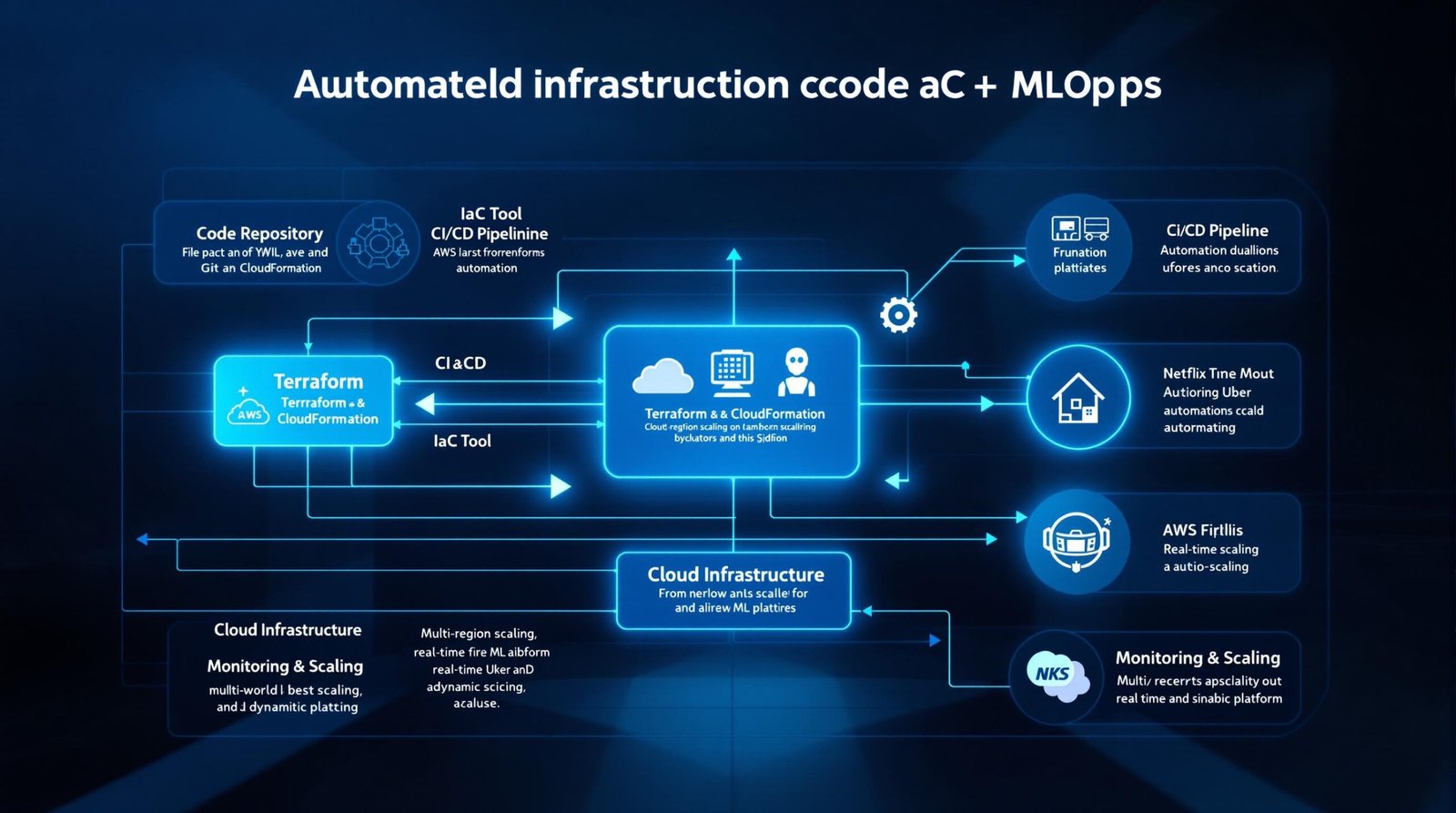
Introduction to IaC and MLOps In recent years, the rapid growth of machine learning (ML) in production environments has led to the emergence of new practices and tools designed to streamline and automate the deployment of ML models. Two of the most influential concepts in this space are Infrastructure as Code (IaC) and MLOps. Infrastructure…
-
Continuous Delivery in MLOps

Introduction to Continuous Delivery in MLOps Continuous Delivery (CD) is a software engineering approach that focuses on automating the process of delivering new code, features, or models to production quickly, safely, and reliably. In the context of MLOps—where machine learning meets DevOps—Continuous Delivery takes on new dimensions, as it must address not only code but…
-
Advanced model monitoring

Introduction: The Importance of Advanced Model Monitoring In today’s data-driven world, machine learning models are at the heart of many business processes, powering everything from personalized recommendations to fraud detection and automated decision-making. As organizations increasingly rely on these models in production, the importance of advanced model monitoring has never been greater. Advanced model monitoring…
-
MLOps for Experts: Workflow Optimization

Introduction: Why Workflow Optimization Matters in Advanced MLOps In the rapidly evolving world of machine learning, the difference between a good ML system and a truly great one often comes down to the efficiency and reliability of its workflows. For experienced practitioners, MLOps is no longer just about getting models into production—it’s about doing so…
-
Testing ML Models: From Unit Tests to End-to-End Testing
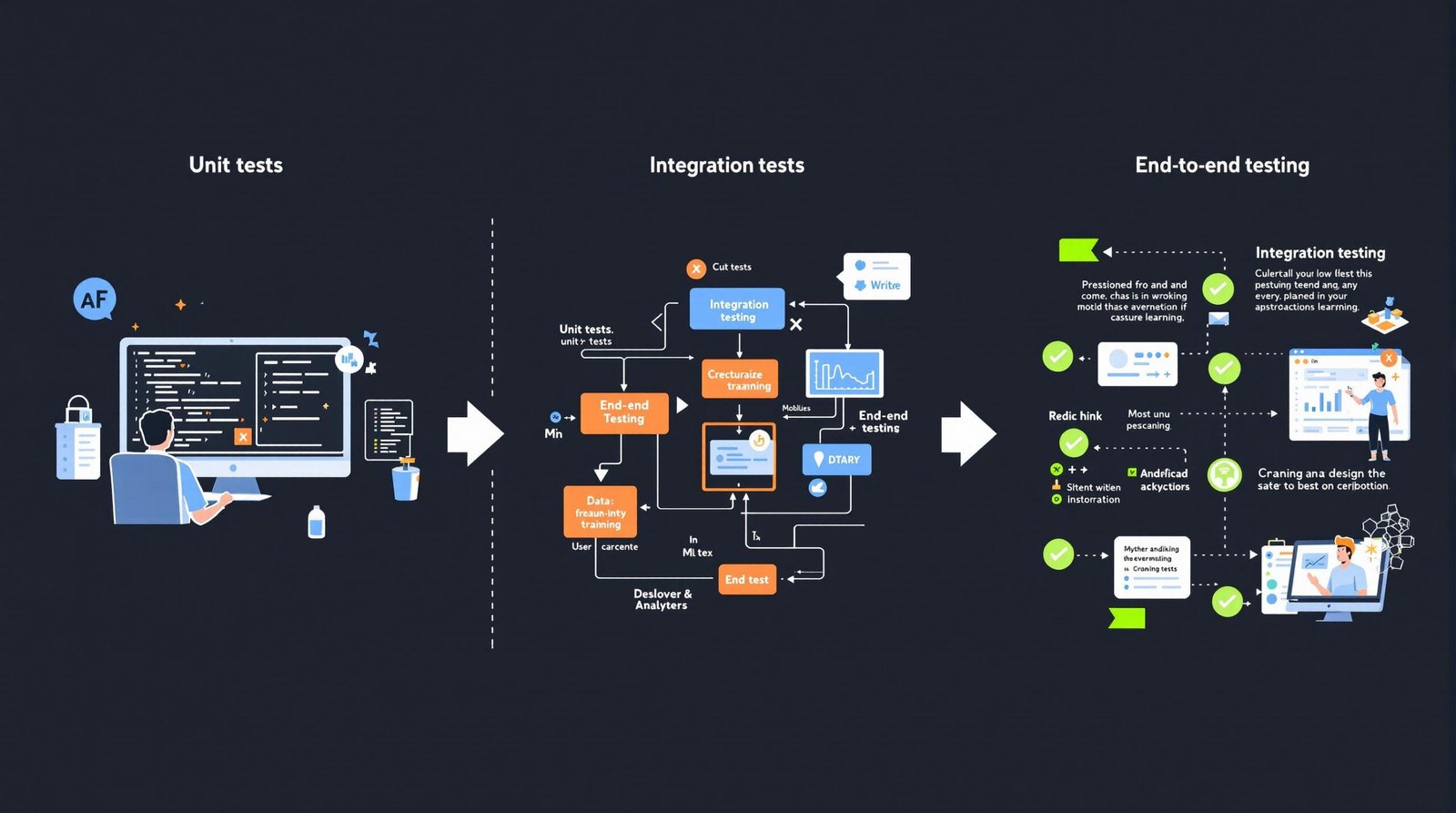
Introduction: Why Testing Matters in Machine Learning Testing is a fundamental part of software engineering, but in machine learning (ML) projects, it takes on even greater significance. Unlike traditional software, where logic is explicitly coded, ML systems learn patterns from data, making their behavior less predictable and more sensitive to subtle changes. This unique nature…
-
Continuous Delivery and Monitoring of ML Models: Practical Challenges and Solutions

Introduction: Why Continuous Delivery and Monitoring Matter in ML In the rapidly evolving world of machine learning, building a high-performing model is only the beginning. The true value of ML comes from delivering models to production quickly, reliably, and safely—and ensuring they continue to perform as expected over time. This is where continuous delivery (CD)…
-
Secure APIs for ML Models: Authorization, Rate Limiting, and Endpoint Protection

Introduction: Why API Security Matters in ML Deployments As machine learning models move from research to production, they are increasingly exposed to the outside world through APIs. These APIs become the primary interface for delivering predictions, recommendations, or classifications to users and other systems. While this unlocks enormous business value, it also introduces new security…
-
Explainable AI in MLOps

Introduction: Why Explainability Matters in MLOps Explainability is becoming a cornerstone of modern MLOps. As machine learning models are increasingly used in critical business processes, healthcare, finance, and public services, organizations face growing pressure to ensure that their AI systems are transparent and understandable. Stakeholders—including business leaders, regulators, and end users—want to know not just…